TIMELESS IDEAS · MODERN CONTEXT
Great Minds
Explore ideas without turning thinkers into saints. History, disagreement and context remain part of the picture.
NOT IDOLS · NOT MYTHS
What they built, what they endured, what remains.
Each profile separates documented achievement from legend. Their lives were not clean success stories. The point is not worship. The point is what a human being can create while carrying contradiction, loss, illness, rejection, pressure or uncertainty.
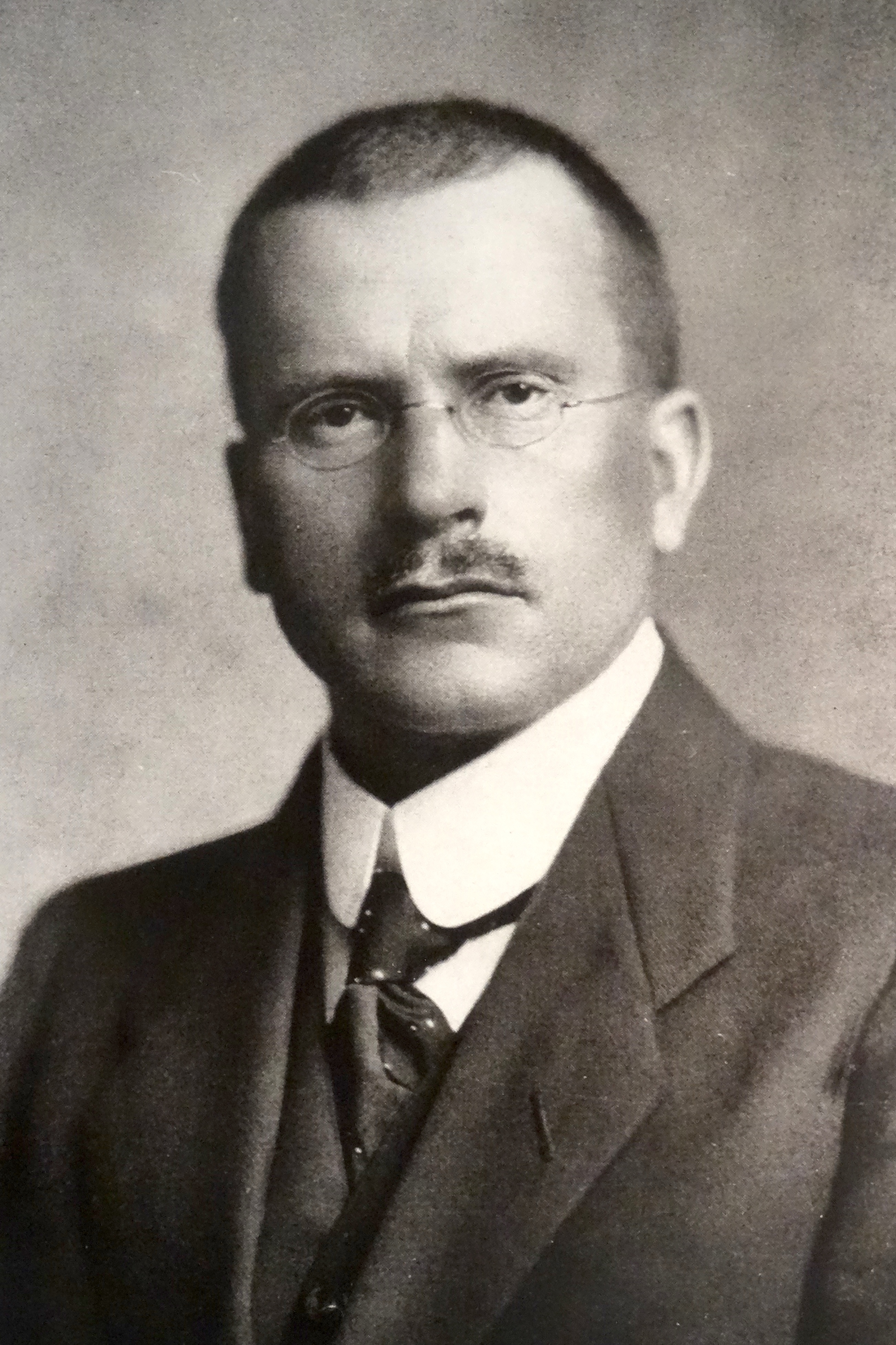
1875–1961 · PSYCHIATRY · ANALYTICAL PSYCHOLOGY
Carl Gustav Jung
He did not build his psychology from comfort. After his break with Freud, Jung entered years of intense inner upheaval and deliberately documented dreams, fantasies and images that became the foundation of The Red Book.
ACHIEVEMENTFounded analytical psychology.His work developed the language of complexes, archetypes, psychological types, and the ideas of introversion and extraversion.
WHAT HE WENT THROUGHProfessional rupture and psychological turbulence.After separating from Freud, he described the work that became The Red Book as his most difficult experiment: confronting material from his own unconscious instead of turning away from it.
WHY HE REMAINSHe made inner conflict a subject of disciplined inquiry.His ideas remain influential in psychotherapy, literature, religion and cultural studies, even where individual theories remain debated.
DID YOU KNOW?Bollingen: from 1923 Jung built a retreat on Lake Zurich where he lived for periods without electricity or running water, chopping wood, cooking and pumping water himself.
The Red Book: the work that grew out of his confrontation with the unconscious was kept largely private for decades and was finally published in 2009.
Fenix perspective → What you refuse to examine can still shape you. Looking inward is not surrender; it is information.

1844–1900 · PHILOSOPHY · CULTURAL CRITICISM
Friedrich Nietzsche
At only 24 he was appointed to a chair in classical philology at Basel. Chronic illness later forced him to resign, but the years that followed produced the books that made him one of the most disruptive philosophical voices of the modern era.
ACHIEVEMENTReframed questions of morality, truth and selfhood.The Gay Science, Thus Spoke Zarathustra, Beyond Good and Evil and On the Genealogy of Morality challenged inherited values rather than treating them as untouchable.
WHAT HE WENT THROUGHLoss, isolation and severe illness.His father died when Nietzsche was still a child. Poor health ended his academic career in 1879. He continued writing through years of pain before collapsing in Turin in 1889 and losing the ability to continue his work.
WHY HE REMAINSHe forced readers to ask where their values came from.His later reputation was complicated by posthumous editing by his sister, whose ideological commitments distorted parts of his literary legacy.
DID YOU KNOW?Stateless philosopher: from 1880 until his collapse in 1889, Nietzsche lived without citizenship, moving repeatedly between Switzerland, Italy, France and Germany.
War hospital attendant: during the Franco-Prussian War he cared for wounded soldiers and contracted diphtheria and dysentery, adding to health problems that followed him for years.
Fenix perspective → Do not inherit a belief merely because it arrived before you. Test whether it can survive honest examination.
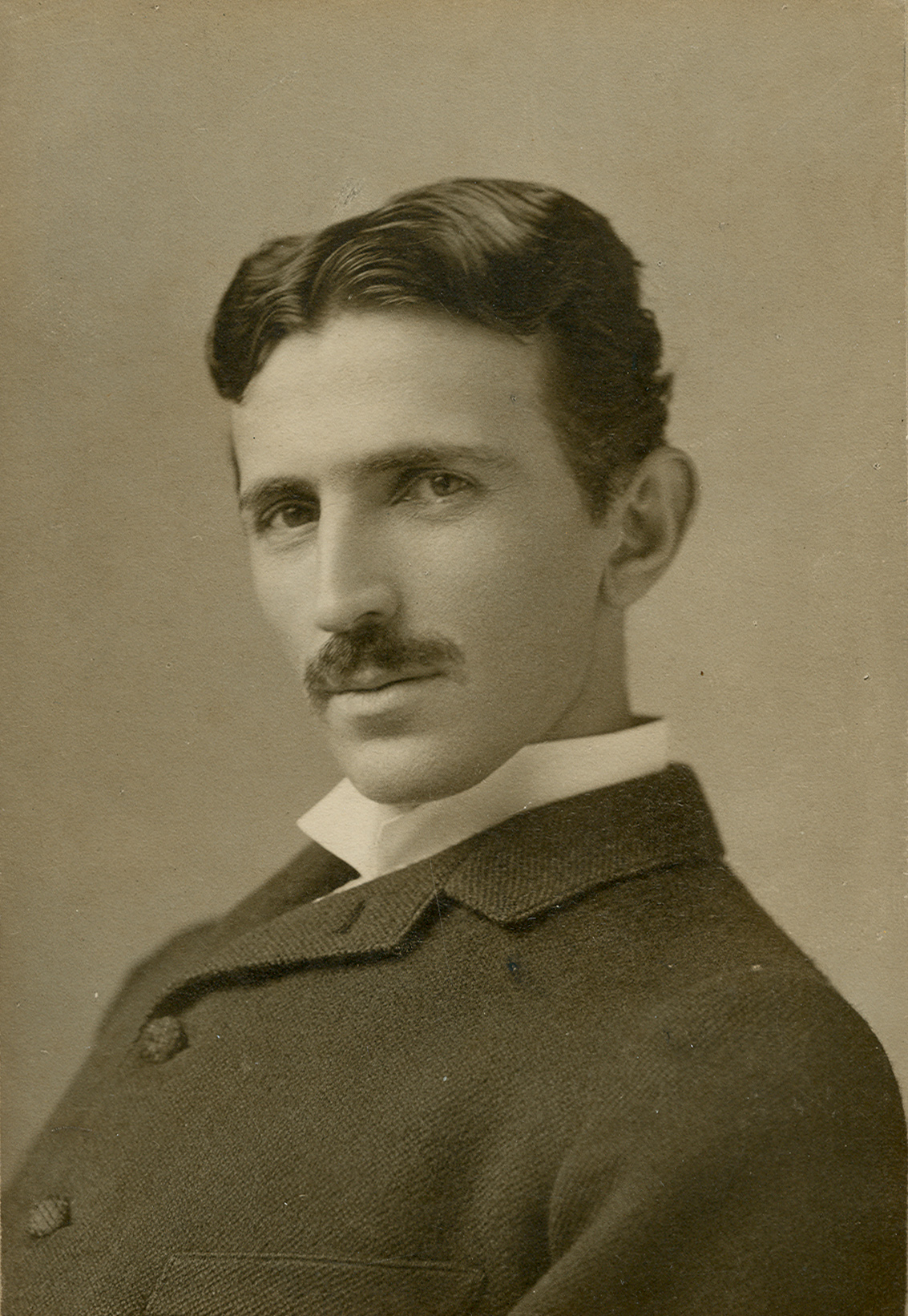
1856–1943 · INVENTION · ELECTRICAL ENGINEERING
Nikola Tesla
Tesla helped make long-distance alternating-current power practical. His induction motor and AC work became part of the electrical transformation of modern life.
ACHIEVEMENTBuilt technology that moved electricity across distance.Westinghouse licensed his AC motor technology; Tesla later helped demonstrate AC at the 1893 Chicago fair and contributed to the Niagara Falls power project.
WHAT HE WENT THROUGHFailure arrived more than once.He was left with little after an early business venture, later reported working as a ditch digger, lost notes and prototypes in an 1895 laboratory fire, and saw the Wardenclyffe project collapse when funding disappeared.
WHY HE REMAINSHis best work survived his worst reversals.He died with little money, but his AC inventions and patents became part of the infrastructure of the electrical age.
DID YOU KNOW?Remote control before the radio age felt normal: in 1898 Tesla demonstrated a wirelessly controlled model boat in New York. Some spectators reportedly thought the demonstration was a trick.
He gave up enormous royalties: Smithsonian records describe Tesla tearing up a lucrative Westinghouse royalty agreement when the company was under severe financial pressure.
Fenix perspective → A failed project is not the same thing as a failed mind. Separate the result of one attempt from the value of the person who attempted it.
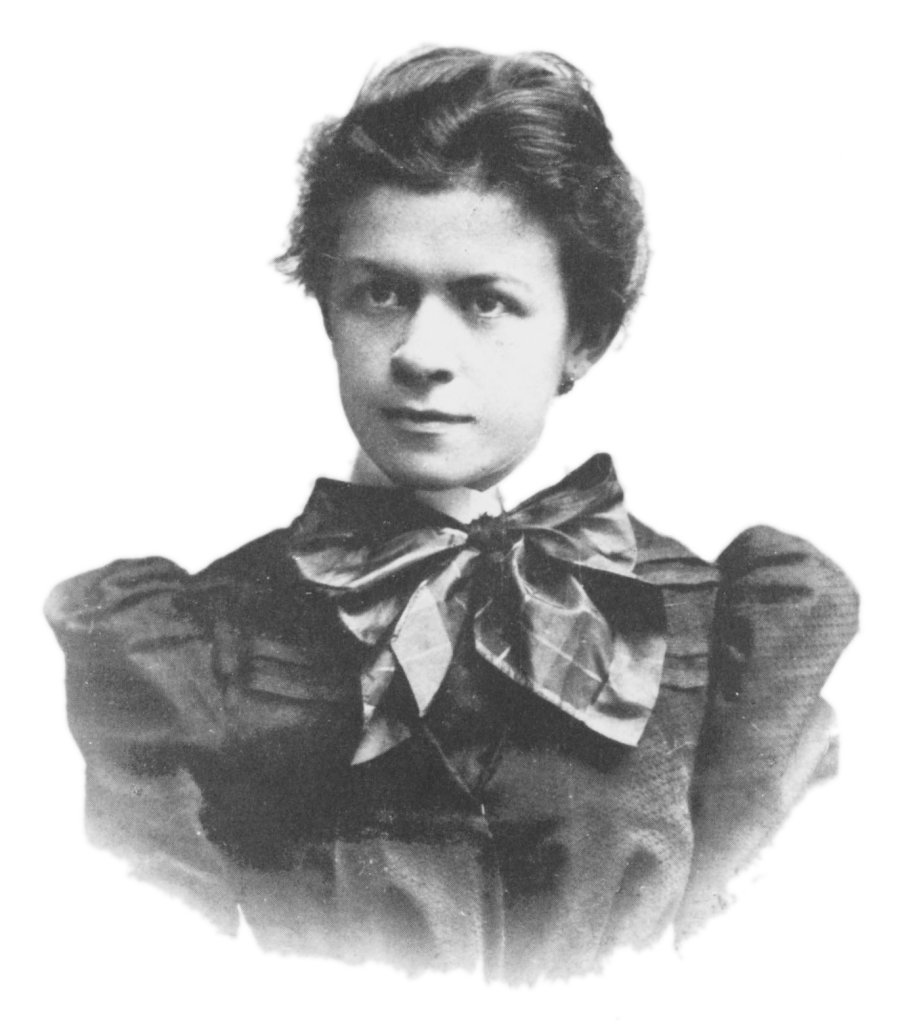
1875–1948 · MATHEMATICS & PHYSICS STUDIES · HISTORY OF SCIENCE
Mileva Marić
Before women had anything close to equal access to scientific education, Mileva Marić entered elite mathematics and physics training in Zürich and was the only woman in Einstein's physics class.
ACHIEVEMENTShe crossed educational barriers that excluded most women of her generation.Her path through advanced mathematics and physics made her unusual even before her later association with Einstein became the focus of historical debate.
WHAT SHE WENT THROUGHDisability, discrimination, interrupted study and family strain.She lived with a congenital hip condition, failed the final diploma examination twice, abandoned doctoral ambitions, and later carried major family responsibilities after the marriage broke down.
WHAT THE RECORD ACTUALLY SAYSHer scientific role should not be invented in either direction.Her intellectual relationship with Einstein is documented, but historians continue to debate its extent. There is no secure evidence that she co-authored Einstein's 1905 papers.
DID YOU KNOW?Heidelberg: besides Zürich, Marić studied in Heidelberg, including with physicist Philipp Lenard, who later received the Nobel Prize in Physics.
Her own technical work: Heidelberg University records that in 1903 she worked with Paul Habicht on an apparatus designed to measure very small electrical voltages.
Fenix perspective → Respect becomes stronger when it does not need mythology. Her real struggle for education is powerful enough on its own.
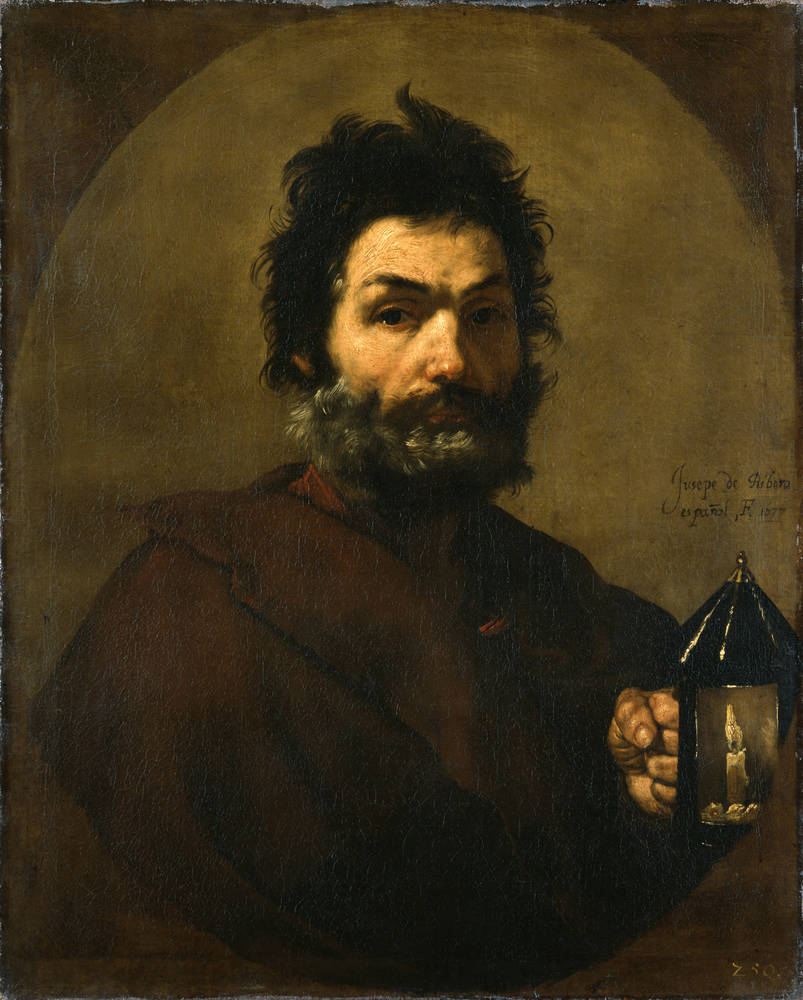
c. 4TH CENTURY BCE · CYNIC PHILOSOPHY · RADICAL SIMPLICITY
Diogenes of Sinope
Diogenes made philosophy visible in the way he lived. He rejected status, luxury and social performance, pushing the Cynic ideal of living according to nature instead of convention.
ACHIEVEMENTTurned philosophy into a lived challenge.Later accounts remember him for radical self-sufficiency, public criticism of convention and a life stripped down to what he considered necessary.
WHAT HE WENT THROUGHExile and deliberate material deprivation.Ancient tradition connects him with exile from Sinope. In Athens he became famous for choosing austerity rather than trying to recover conventional status.
HISTORICAL CAUTIONMany famous stories are later anecdotes.The lantern, the jar, and the encounter with Alexander are part of the ancient tradition, but they should be presented as stories about his philosophical character rather than modern documentary biography.
DID YOU KNOW?Citizen of the world: ancient tradition credits Diogenes with one of the earliest explicit statements of cosmopolitanism — identifying himself not by one city, but as a citizen of the world.
Biography through anecdotes: almost everything people know about him comes through later writers, which is why the famous lantern, jar and Alexander stories should be read as philosophical tradition as much as biography.
Fenix perspective → Freedom is easier to talk about than to test. Diogenes asked what you still need when applause, possessions and status are removed.
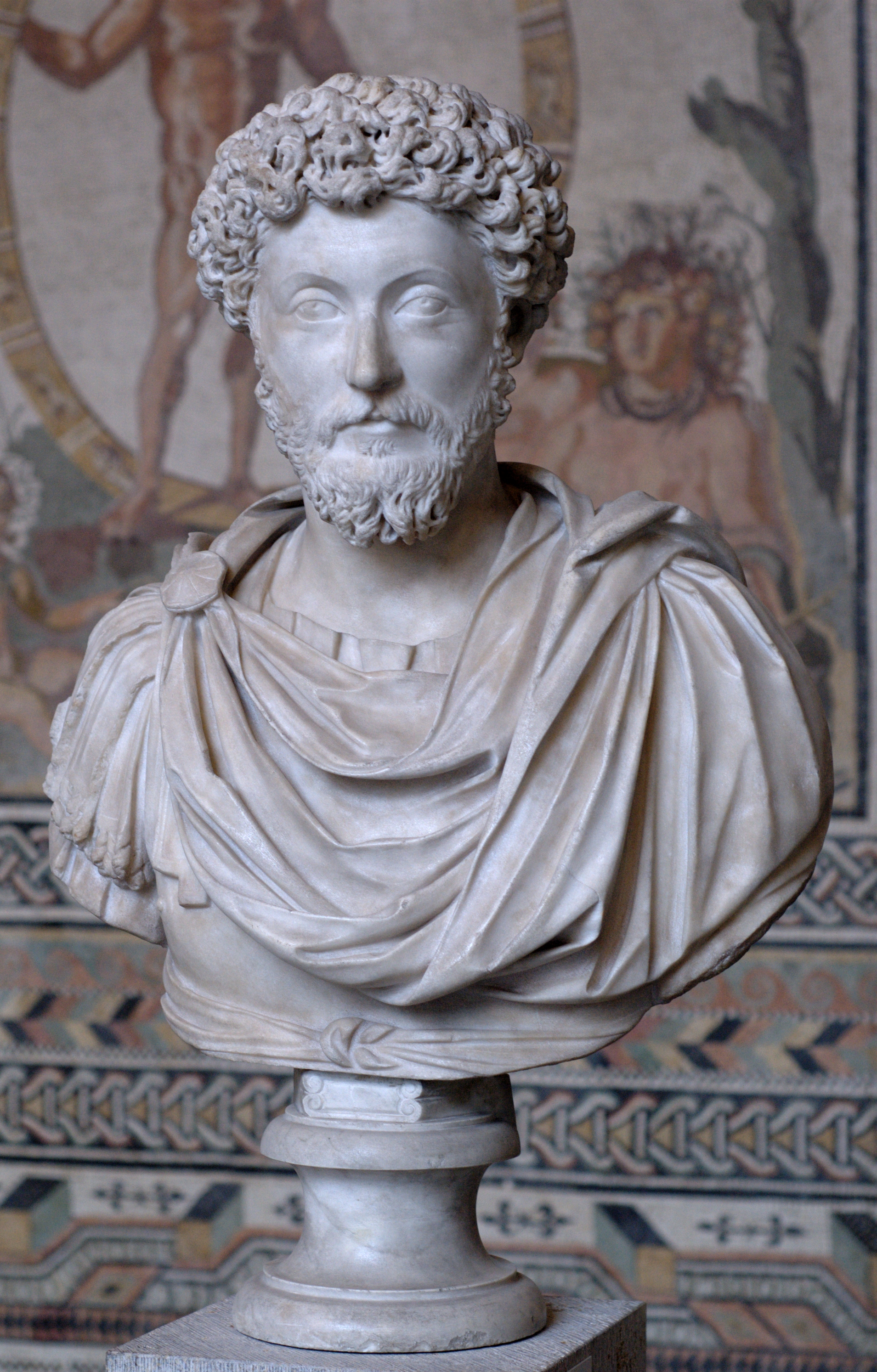
121–180 CE · ROMAN EMPEROR · STOIC PHILOSOPHY
Marcus Aurelius
He held immense political power, yet the work that outlived his empire was a private notebook written to discipline himself. Meditations was not a performance for an audience; it was a man reminding himself how not to be ruled by anger, fear or ego.
ACHIEVEMENTEmperor of Rome and one of Stoicism's most enduring voices.Marcus ruled from 161 to 180 CE. His Meditations became one of antiquity's most widely read works of practical philosophy.
WHAT HE WENT THROUGHWar, rebellion, illness and plague during his reign.His years as emperor were repeatedly consumed by military campaigns and political crises, while epidemic disease struck the empire. Parts of Meditations were written during those campaigns.
WHY HE REMAINSHe treated character as a daily practice, not a title.His notes return to duty, mortality, judgment, anger and the limits of control—questions that mattered even to someone who could command an empire.
DID YOU KNOW?Written in Greek: Marcus Aurelius was a Roman emperor, but Meditations was written in Greek, not Latin, and was written to and for himself rather than as a public book.
Power shared: when he became emperor in 161 CE, he ruled alongside Lucius Verus — an unusual arrangement in Roman imperial history.
Fenix perspective → Power over circumstances is limited. Power over the next judgment, word and action is where responsibility begins.